The standard fix is to force both signals onto a shared clock: interpolate, bin, resample. That one step injects bias that no amount of data removes. We work directly on the observed clocks instead, and the bias never enters.
The failure first, then the method
We pick problems the way the best labs do: each one matters on its own, and each one exercises the same root idea, so a solution travels. Every problem gets its own page, its own data, and one figure that shows the failure before any method appears.
Which covariance estimator, when the clocks disagree?
Two futures contracts never trade at the same instants. Measure their correlation naively and it collapses as you look closer. Choosing the right estimator has been asymptotic folklore. We make it an exact, same-day computation.
Clinical endpoints from wearable sensors
Glucose every five minutes, heart rate every second, motion at 50 Hz. Whether an endpoint is valid depends on how rough the underlying signal is, and the answer decides how many patients a trial needs.
Networks built from noisy, unequal edges
Clustering and ranking methods usually assume every measured edge is equally trustworthy. Real edges are estimated, each with its own error. Exact per-edge variances turn one global noise knob into a full weight matrix.
The observed-clock principle
Condition on the observation times you actually saw, the way regression conditions on its design matrix. The law of the arrival times drops out, and inference becomes exact at every sample size, not just in a limit.
The same problem, across science
Asynchronous observation is not a finance quirk. It is the default condition of measurement, and the same broken workaround, force a shared clock and hope, sits at the foundation of field after field.
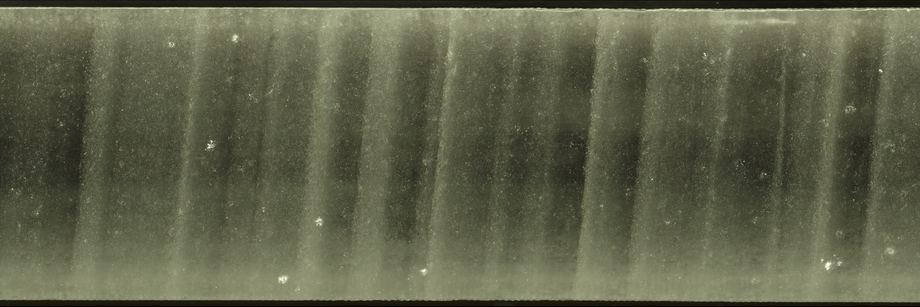
Proxy records
Ice cores, sediments, and tree rings are sampled at irregular depths, and even the timestamps are uncertain. Correlating two proxies is a known minefield.
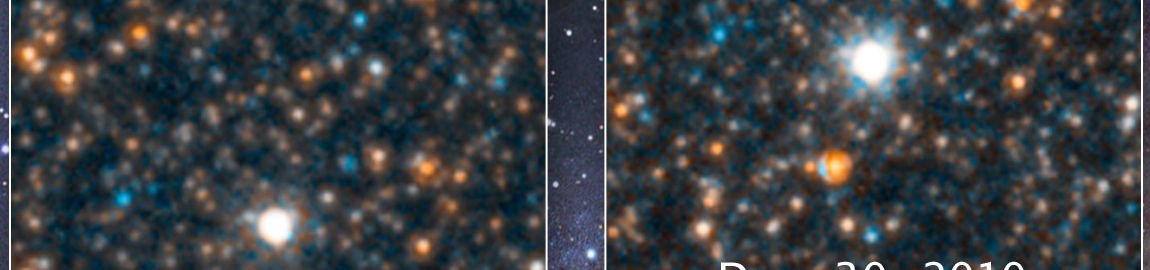
Light curves
Reverberation mapping and multiwavelength time-lags need the covariance of two unevenly sampled light curves from telescopes that observe when they can.
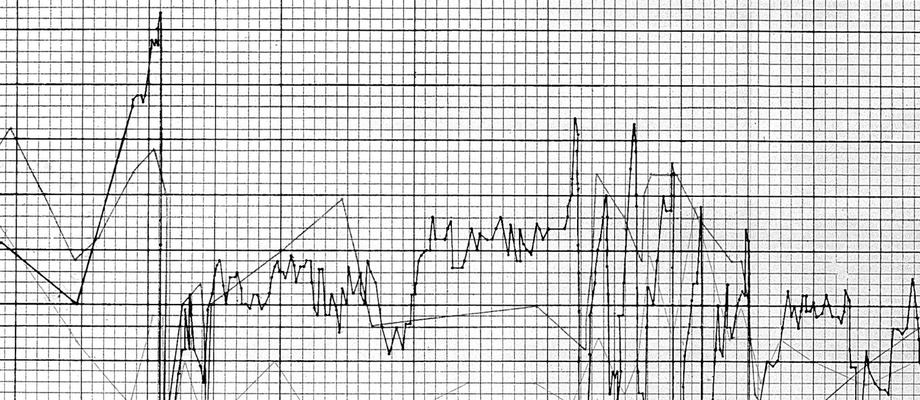
Health records
Labs are drawn sporadically, vitals frequently. The coupling between them carries clinical signal, but the sampling is fully asynchronous.
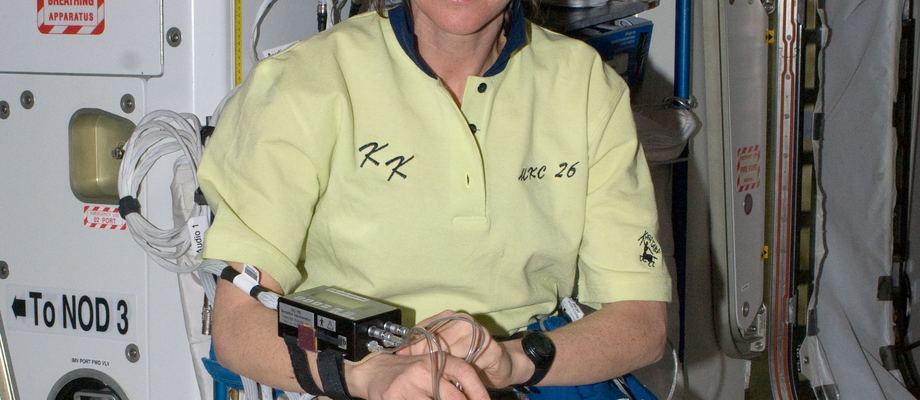
Wearables
Glucose every five minutes, heart rate every second, motion at 50 Hz. The cross-signal coupling is the product, and it is measured off-clock.
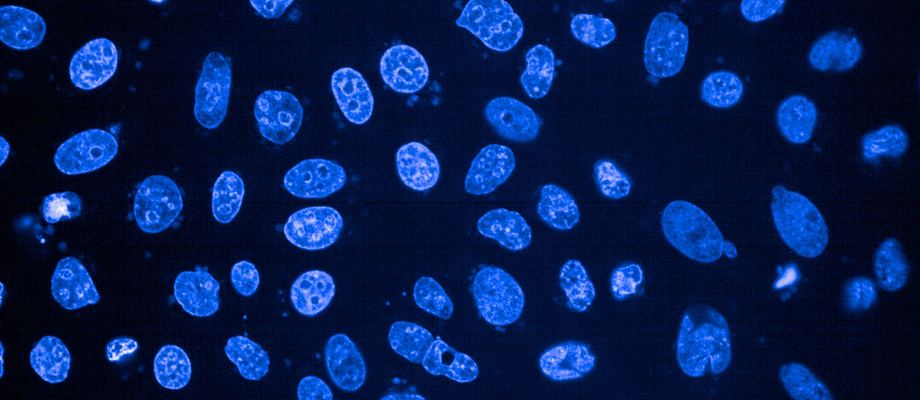
Single-cell dynamics
Sequencing destroys the cell, so no cell is seen twice and time itself is reconstructed. Gene-to-gene dynamics live on a latent, asynchronous clock.
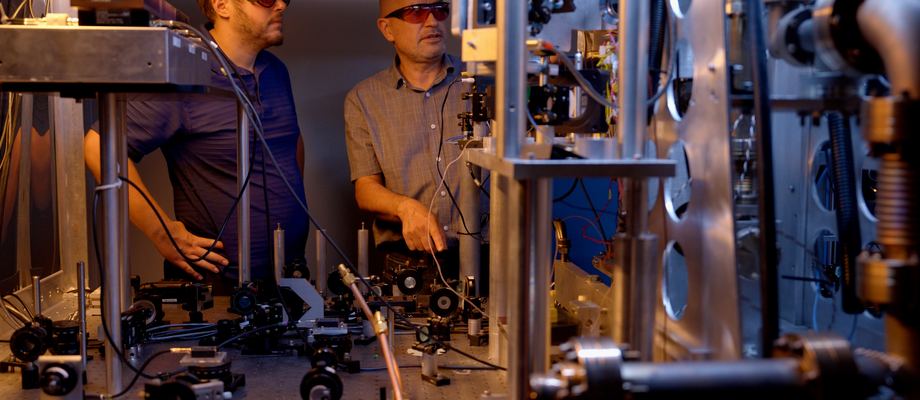
Networked clocks
Packets are timestamped, but every machine keeps its own drifting clock. Here the twist inverts: the clock relationship itself is the unknown to estimate.
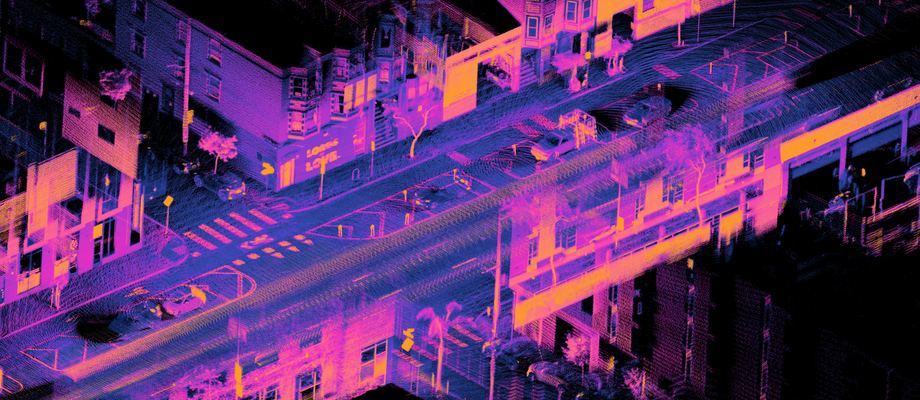
Sensor fusion
Camera, LiDAR, and radar each sample the road at their own rate. No two ever capture the same instant, yet fusing them safely means reconciling all three.
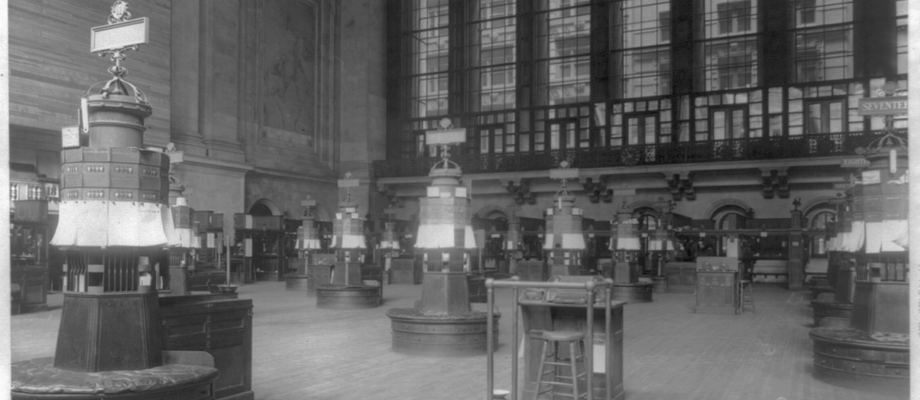
Where it was solved
High-frequency covariance under asynchronous ticks: the problem where the rigorous estimators were first built, and our home ground.
Every picture above is real. See all of them full size, with what they show and where they come from →
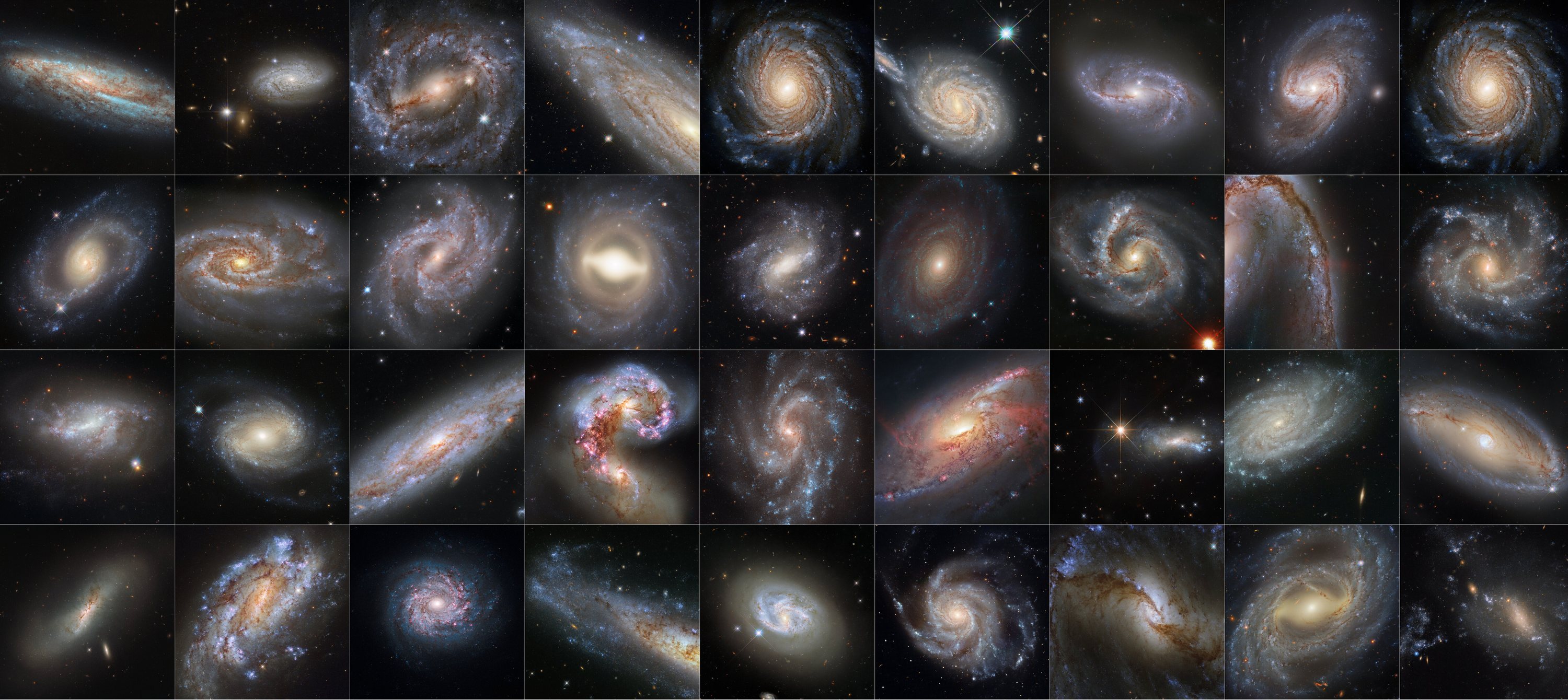
Some of these break new ground even for the finance toolkit: uncertain observation times in climate and networked clocks, and a latent, reconstructed clock in single-cell genomics. These are not ports of an existing method. They are open problems, and the focus of our work.
The Epps effect, on real trades
WTI and Brent crude futures move together, their correlation at 5-minute sampling is about 0.87. Sample the same trades every two seconds instead and the estimate drops to 0.37. Nothing about the market changed. Only the clock did.
How we do research
Theory first
Estimators come with proofs, not just backtests. If we can't state the assumptions, we don't trust the result.
Adversarial evaluation
Every positive result is treated as a bug until it survives walk-forward testing, leakage audits, and independent replication.
Theory to deployment
Research isn't finished at the paper. We carry methods through simulation, real data, and production infrastructure.
Formal verification
Where the mathematics matters most, we machine-check it, bringing proof assistants such as Lean into quantitative finance.
Who we are
Black Quantum was founded by Yang Azzollini, whose doctoral research at the University of Oxford, supervised by Brian Ripley and Peter Clifford, developed correlation methods for asynchronously observed financial data. The lab continues that programme, carrying estimation theory from its foundations through to deployed systems.
Selected work
- Covariance estimation for asynchronous data Working paper, 2026 (in preparation)
- Correlation methods in the statistical analysis of financial trading data DPhil thesis, University of Oxford, 2016 · supervised by Peter Clifford and Brian Ripley
From the field
- R Core Team awarded the 2026 Rousseeuw Prize for Statistics June 2026 · The team behind the R Project, including Oxford's Professor Brian Ripley, has been honoured with the $1M Rousseeuw Prize for transforming statistical computing worldwide. Read the Oxford announcement →
Work with us
We're interested in collaborations, consulting on high-frequency statistics and neural-network systems, and conversations with people who care about getting the details right.